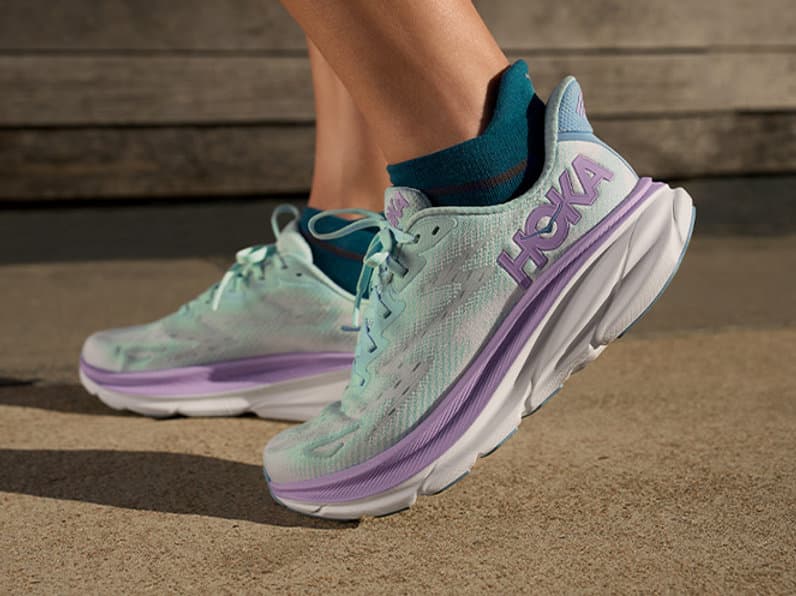
Ultra-cushioned shoes have taken over the running market and the minds of runners. Popularized by maximalist models (Hoka, Asics Nimbus, On Cloudmonster), they promise joint protection and softer landings. But what happens when we look at these shoes through a biomechanical lens?

They’re everywhere.
🧼 Oversized midsoles.
☁️ “Cloud-like” sensations.
💬 Promises of ultimate comfort.e.
Ultra-cushioned shoes have taken over the running market—and the minds of runners. Popularized by maximalist models (Hoka, Asics Nimbus, On Cloudmonster…), they promise joint protection and softer landings.
But what happens when we look at these shoes through a biomechanical lens?What if too much cushioning actually undermines what you’re trying to protect?

🧠 What Biomechanics Tells Us
Cushioning isn’t just a comfort bonus. It’s a vector of interaction with the ground—one that directly affects your running mechanics.
➡️ Very soft, thick cushioning alters:
📚 A study by the Running Injury Clinic (Canada, 2024) showed that highly cushioned shoes:
⚠️ The result?Your body compensates. It becomes less stable, more passive, and ultimately more reliant on the shoe than on its own structure.
📉 The Silent Injuries of the “Ultra-Soft” Runner
This phenomenon mostly affects runners who:
Common injuries linked to excessive cushioning include:
According to the British Journal of Sports Medicine (2023), runners in ultra-cushioned shoes have a 28% higher risk of developing musculoskeletal injuries in the medium term.

🔁 And Yet… Cushioning Isn’t the Enemy
Cushioning, in itself, isn’t bad. It can:✅ Support post-injury recovery✅ Offer temporary comfort on long distances✅ Protect joints on very hard surfaces (pavement, rocky trails)
But it all depends on your biomechanical profile and running context.What benefits a 95 kg marathoner may be detrimental to a 60 kg 10K runner.
🎯 The key is not how much foam you have—it’s how it functions in your stride.
📲 What Stridematch Measures (and Corrects)
With our SmartMorphAI technology, we analyze:
Cross-referencing this with your morphology, weight, cadence, and injury history, SmartFitAI determines whether you actually need high cushioning—and what type exactly (EVA, Pebax, TPU…).

🧪 Real Case: Claire, 42, Half-Marathon Runner
Claire had been running for 6 months in ultra-soft maximalist shoes. The outcome:
Stridematch detected a lateral imbalance at each foot strike, caused by soles that were too unstable for her fast, midfoot-heavy gait.
🎯 Recommendation: a lower, firmer pair with better midfoot support. Within 3 weeks, her symptoms were gone.
🏁 In Summary
Too much foam can kill your stride.Not because cushioning is bad—but because it needs to be calibrated.
💬 Key takeaways:
With Stridematch, you don’t choose shoes just because “they’re well rated.”You choose them because they fit you—your body, your biomechanics, your running goals.
blogArticles.page.ctaDescription